Recognizing Dental Problems in Leesburg Pets This Fall


Recognizing Dental Problems in Leesburg Pets This Fall
As the cooler fall months arrive in Leesburg and the surrounding communities, many pet owners find themselves spending more quality time indoors with their furry friends. While autumn means cozy evenings and outdoor adventures, it is also an important time to pay attention to your pet’s dental health. Dental disease is one of the most common health problems affecting cats and dogs, and the signs often go unnoticed until the problem becomes advanced. At Purrfect Paws & Claws Veterinary Hospital, located at 33025 Professional Drive, Leesburg, FL 34788, our veterinary team is dedicated to helping you recognize the early signs of dental issues and providing comprehensive care to restore your pet’s healthy smile. This blog will help you understand the symptoms of dental disease in cats and dogs, why early attention matters, and what you can do to keep your pet’s mouth healthy this fall.
How to Recognize Dental Disease in Your Cat or Dog
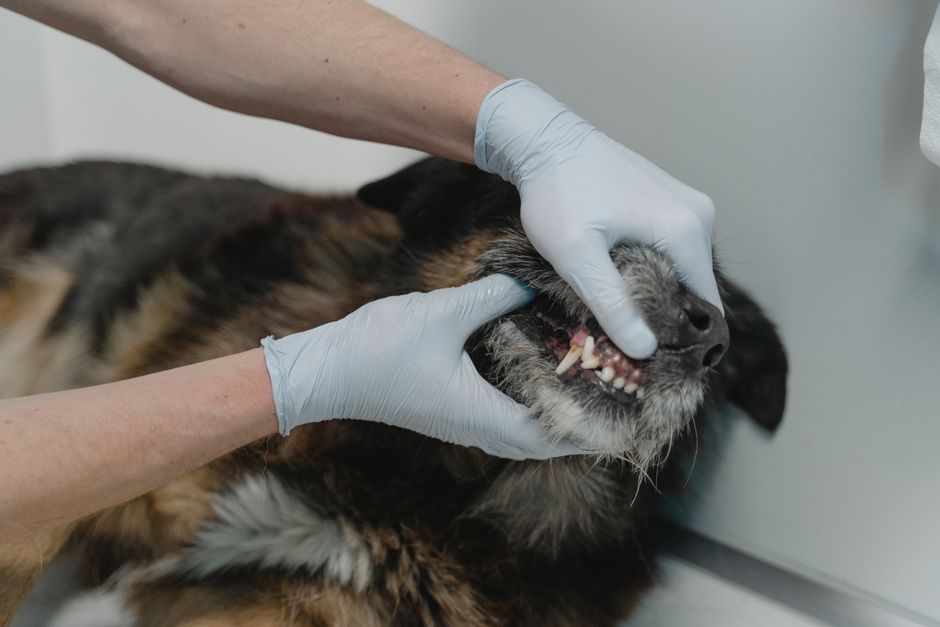
Dental problems in pets can be subtle and may progress silently for months before obvious symptoms appear. Recognizing the early warning signs is crucial for preventing pain and more serious complications. Common symptoms include persistent bad breath that does not improve after brushing or dental treats, visible tartar or yellow-brown buildup on the teeth, and red or swollen gums. You may also notice your pet pawing at their mouth, drooling more than usual, dropping food while eating, or showing reluctance to chew toys or hard kibble. In some cases, pets with advanced dental disease may develop loose or missing teeth, bleeding from the mouth, or even swelling beneath the eyes or along the jawline, which can indicate an abscess.
Cats may show subtle changes in behavior, such as hiding, decreased grooming, or eating less, while dogs might become irritable or withdraw from social interactions. If you observe any of these symptoms, it is important to schedule a pet examination to assess your pet’s dental and overall health. Early detection is key, as dental disease can lead to pain, infection, and serious health risks if left untreated.
Why Do Pets Develop Dental Problems?
Dental disease in cats and dogs is caused primarily by the accumulation of plaque, a soft film of bacteria that forms on the teeth after eating. Over time, plaque hardens into tartar, which irritates the gums and leads to inflammation known as gingivitis. Without intervention, this inflammation progresses to periodontitis, a more severe form of dental disease where the structures supporting the teeth begin to break down. Factors that contribute to dental disease include a lack of regular tooth brushing, genetics (some breeds are more prone), age, diet, and even certain medical conditions like diabetes.
Leesburg’s humid climate can also create an environment where bacteria thrive, increasing the risk of dental infections. Smaller dog breeds and cats are particularly susceptible to dental problems due to the shape and spacing of their teeth. Furthermore, pets that consume mainly soft diets or table food instead of quality kibble may not experience the natural scraping action that helps reduce plaque buildup. Understanding these contributing factors can help you take proactive steps to protect your pet’s oral health.
Professional Dental Care for Pets at Purrfect Paws & Claws Veterinary Hospital
When dental problems are identified, timely professional care makes a world of difference for your pet’s comfort and overall wellbeing. At Purrfect Paws & Claws Veterinary Hospital in Leesburg, our veterinarians offer a full range of dental services tailored to your pet’s individual needs. The treatment process typically begins with a thorough oral examination, often followed by dental radiography to evaluate tooth roots and jawbone health. Dental x-rays are essential for identifying problems below the gumline that are invisible to the naked eye.
If tartar and plaque buildup are present, we may recommend a pet dental cleaning. This procedure, performed under anesthesia, allows our team to safely clean above and below the gumline, remove hardened deposits, and polish the teeth. In cases of severe dental disease, damaged or infected teeth may require pet tooth extractions to prevent further pain and infection. Our veterinary professionals are skilled in gentle, compassionate care, ensuring your pet’s safety and comfort throughout the process.
In addition to routine cleanings and extractions, advanced dental issues such as fractured teeth, oral tumors, or severe infections may require pet oral surgery. Our hospital is equipped with modern tools and technology to handle a wide range of dental procedures, supporting your pet’s health from puppyhood and kittenhood through their senior years.
Home Dental Care and Preventive Strategies
While professional veterinary care is essential for treating existing dental disease, ongoing home care plays a vital role in maintaining your pet’s oral health between visits. Brushing your pet’s teeth daily with a veterinarian-approved toothpaste is one of the most effective ways to reduce plaque buildup and prevent tartar formation. Start with short, positive sessions and gradually increase the duration as your pet becomes accustomed to the process. Dental diets, chews, and toys designed to promote oral health can also help reduce plaque and tartar; however, these should never replace brushing or professional cleanings.
Monitor your pet’s mouth regularly for signs of trouble, such as changes in breath odor, gum color, or tooth appearance. If your pet is unwilling to have their mouth touched or shows discomfort during eating, it could signal a developing issue. Scheduling regular dental prophylaxis appointments ensures that any concerns are caught early, and your pet receives the preventive care they need to avoid painful complications.
When Should You Seek Veterinary Attention for Your Pet’s Dental Health?
Pet owners often wonder when to seek veterinary help for dental issues. If you notice persistent bad breath, difficulty eating, visible swelling, bleeding, or loose teeth, it is time to schedule an appointment with a veterinarian. Even subtle changes, such as decreased playfulness, reluctance to chew, or mild drooling, can indicate underlying dental discomfort that warrants a professional evaluation. In some cases, dental disease can lead to infections that affect major organs like the heart, liver, or kidneys, making timely care critical for your pet’s long-term health.
Our team at Purrfect Paws & Claws Veterinary Hospital encourages you to err on the side of caution. If you are unsure whether a symptom is significant, a quick pet examination can provide peace of mind and help prevent more serious problems down the road. Addressing dental disease early not only improves your pet’s comfort but also supports overall health and longevity.
Supporting Your Pet’s Smile This Fall in Leesburg
As autumn settles over Leesburg and you enjoy the beauty of the season with your pet, remember that dental health is a key part of their happiness and quality of life. By staying alert to the signs of dental disease and taking proactive steps, you can prevent discomfort and serious complications for your cat or dog. At Purrfect Paws & Claws Veterinary Hospital, our veterinary team is here to guide you through every stage of your pet’s oral care, from routine cleanings and examinations to advanced dental treatment.
If you are searching for a veterinarian near me this fall, we invite you to schedule an appointment with our compassionate team at 33025 Professional Drive, Leesburg, FL 34788. Whether your pet needs a dental checkup, a professional cleaning, or you simply have questions about home care, we are here to help. Call us at (305) 905-9585 to book your pet’s visit and give them the healthy, pain-free smile they deserve. For more information on our dental services, explore our pet dental cleaning and pet tooth extraction resources online. Your pet’s wellbeing is our top priority, and we look forward to serving your family this season and beyond.
This blog is intended for informational purposes only and does not replace professional veterinary advice. If your pet is experiencing any health concerns, please contact your veterinarian promptly.