When to Seek Vet Help for Your Cat’s Red or Irritated Skin


When to Seek Vet Help for Your Cat’s Red or Irritated Skin
If you are a cat owner in Leesburg, FL, and you have noticed red, itchy, or irritated skin on your feline friend, you are not alone. Many cat owners wonder, “How can I tell whether I need professional help with red or irritated skin in a cat?” At Purrfect Paws & Claws Veterinary Hospital, we understand how concerning it can be to see your cat uncomfortable or scratching excessively. This blog will help you recognize when red or irritated skin in cats is something that can be managed at home, when it signals a more serious problem, and how to know when it is time to schedule an appointment with our veterinary team. We will also cover key causes of skin irritation, what you can expect from a veterinary visit, and steps you can take to help keep your cat’s skin healthy. Whether you are in Leesburg or a nearby community, our team is here to support your cat’s wellbeing with compassionate, expert care.
Recognizing Red or Irritated Skin in Cats
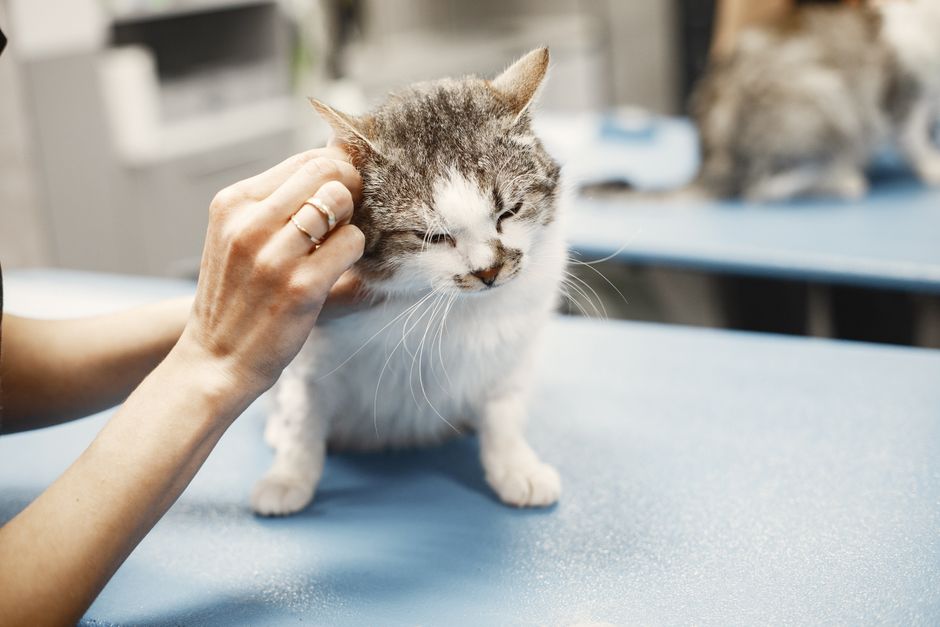
Cats are experts at hiding discomfort, so it is essential for owners to be vigilant about changes in their cat’s appearance and behavior. Red or irritated skin in cats may appear as patches of redness, areas with thinning or missing fur, flaky or scaly spots, or even small bumps and scabs. You may notice your cat licking, scratching, or biting at a particular area more than usual. Sometimes, these symptoms are easy to spot, such as a bare patch on the belly or behind the ears; other times, they are hidden under dense fur or only show up as subtle behavioral changes like increased grooming or irritability.
Other signs to watch for include open sores, a foul odor from the skin, swelling, bleeding, or if your cat seems to be in pain when touched. Pay attention to whether your cat is eating, drinking, and acting normally or if you observe changes like hiding more often, being less playful, or vocalizing in discomfort. If you are asking yourself, “How can I tell whether I need professional help with red or irritated skin in a cat?” these signs can help you decide when to take action. Even mild redness can become severe quickly, so it is always better to err on the side of caution and reach out for veterinary advice if you are unsure.
Common Causes of Red or Irritated Skin in Cats
Understanding what might be causing your cat’s skin issues can help you respond appropriately. Skin irritation in cats can arise from a variety of sources. Some of the most common causes include flea infestations, allergies (to food, environmental factors, or even certain cleaning products), fungal or bacterial infections, and underlying medical conditions such as autoimmune disorders or hormonal imbalances.
Flea allergy dermatitis is particularly common, especially in warm climates like Leesburg, where fleas thrive nearly year-round. Even a single flea bite can trigger intense itchiness and inflammation in sensitive cats. Environmental allergies, such as pollen, dust mites, or mold, can also cause ongoing skin problems, often flaring up seasonally. Food allergies may develop suddenly, even if your cat has been eating the same diet for years.
Other possibilities include ringworm (a fungal infection), mites, or bacterial infections that can create sores and scabbing. Sometimes, stress or boredom leads to excessive grooming and self-inflicted skin damage, a condition referred to as psychogenic alopecia. Finally, certain breeds are predisposed to skin sensitivities, and age can also play a role as older cats may develop more fragile skin or conditions like hyperthyroidism that affect the skin.
If you are interested in getting to the root cause of your cat’s skin problems, our veterinary dermatology team at Purrfect Paws & Claws can help. We offer veterinary dermatology services for pets with skin conditions as well as allergy testing services to help identify triggers and guide targeted treatment.
Professional Treatment Options for Red or Irritated Skin
When you bring your cat to Purrfect Paws & Claws Veterinary Hospital for red or irritated skin, our veterinarians will begin with a thorough examination. This includes a detailed history to learn about your cat’s environment, diet, and any recent changes, as well as a hands-on assessment of the affected areas. Depending on the severity and complexity of the condition, additional tests may be recommended. These can include skin scrapings, fungal cultures, cytology (microscopic examination of skin cells), and blood tests. Our in-house diagnostic laboratory services allow us to quickly investigate health problems and start your cat on the right treatment path.
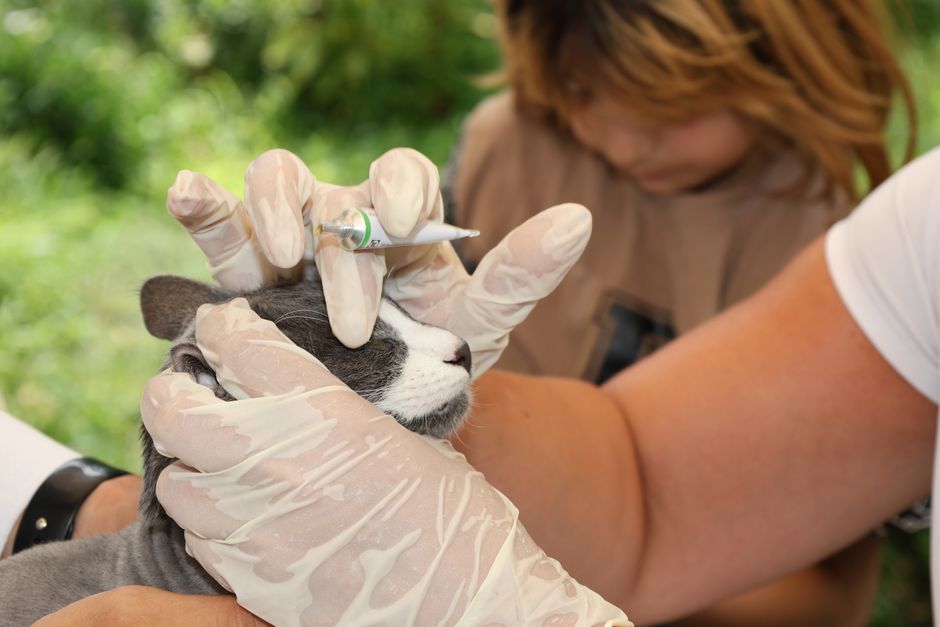
Treatment approaches will depend on the underlying cause. For flea allergies, an effective flea control program is essential. Bacterial or fungal infections may require topical or oral medications. Allergies may be managed with special diets, medications, or environmental modifications. If an autoimmune or hormonal issue is suspected, further diagnostics and targeted therapy may be needed. Our veterinary team will discuss all options with you, including expected outcomes and any potential side effects, to ensure you feel confident about your cat’s care plan.
Severe cases may require additional support, such as hospitalization for cats with widespread sores or those who are not eating or drinking. We are equipped to provide advanced care and monitoring when needed, always prioritizing your cat’s comfort and recovery.
Home Care and Prevention Tips for Cat Skin Health
While some mild cases of skin irritation can be managed at home with your veterinarian’s guidance, prevention is always preferable. Keeping your cat’s environment clean and free of fleas is one of the most important steps. Regular vacuuming, washing bedding, and using veterinarian-recommended flea preventives help keep infestations at bay. Feeding a balanced diet and providing fresh water supports healthy skin and coat from the inside out.
Grooming your cat regularly allows you to spot changes early and remove loose hair or debris that might cause irritation. Using gentle, fragrance-free cleaning products in your home can reduce exposure to potential allergens. If your cat has a known food allergy, stick to the prescribed diet and avoid treats or table scraps that could cause a reaction.
It is important to resist the urge to try over-the-counter creams or medications without veterinary supervision, as some human products can be toxic to cats. If you notice any worsening of your cat’s condition, or if home care does not seem to help, reach out to your veterinarian promptly.
How Can I Tell Whether I Need Professional Help With Red or Irritated Skin in a Cat?
Many cat owners ask, “How can I tell whether I need professional help with red or irritated skin in a cat?” The answer depends on the severity, duration, and progression of symptoms. If your cat’s skin redness persists for more than a day or two, worsens, or is accompanied by other concerning signs such as hair loss, open sores, bleeding, swelling, or changes in behavior, it is time to schedule an appointment. Additional red flags include persistent scratching or grooming, evidence of fleas, a foul odor from the skin, or if your cat is lethargic, hiding, or not eating and drinking as usual.
Some skin issues can become serious quickly, especially if an infection sets in or if your cat is causing self-trauma by scratching or biting. Cats with compromised immune systems, kittens, and senior cats are at higher risk for complications and should be evaluated sooner rather than later. Emergency care may be needed if your cat has difficulty breathing, rapidly spreading swelling, or severe pain. Our emergency veterinary services are available for serious or rapidly worsening concerns, and our urgent veterinary care is here for prompt attention when your cat needs it most.
If you are unsure, our pet examination services can provide peace of mind and ensure your cat receives the right care at the right time. Trust your instincts; as a cat owner, you know your companion better than anyone.
Supporting Your Cat’s Skin Health: The Purrfect Paws & Claws Commitment
At Purrfect Paws & Claws Veterinary Hospital, our goal is to keep your cat healthy, comfortable, and happy. We know that red or irritated skin can cause distress for both cats and their owners, and we are here to offer guidance, support, and expert veterinary care every step of the way. If you are searching for a “vet near me” because you are worried about your cat’s skin, our team of veterinarians is ready to help you find answers and solutions.
If you are still asking, “How can I tell whether I need professional help with red or irritated skin in a cat?”, remember that early intervention leads to better outcomes. Do not hesitate to reach out for advice, schedule a visit, or seek urgent care if your cat’s symptoms are severe or worsening. We serve Leesburg and surrounding communities from our convenient Leesburg location, and our doors will be open for appointments starting in early 2025.
To schedule an appointment or speak with our veterinary professionals about your cat’s skin health, call (305) 905-9585. Our team is dedicated to providing thorough, compassionate care for every cat, every time. For more information about our dermatology, allergy testing, or urgent care services, explore our website or contact us directly. We look forward to welcoming you and your cat to Purrfect Paws & Claws Veterinary Hospital.