Spotting Dental Troubles Early in Your Dog or Cat


Spotting Dental Troubles Early in Your Dog or Cat
Worried about your pet’s teeth or noticing bad breath every time they snuggle close? Dental health can have a huge impact on your dog or cat’s quality of life, yet dental issues often go unnoticed until they become painful or serious. At Purrfect Paws & Claws Veterinary Hospital, conveniently located at 33025 Professional Drive, Leesburg, FL 34788, our veterinary team is dedicated to keeping your pet’s smile bright, healthy, and pain-free. In this blog, we’ll explore the common signs of dental disease in dogs and cats, discuss why dental problems develop, and help you understand when it’s time to schedule an appointment for professional dental care. If you’re in the Leesburg area, read on to learn how regular dental checkups can make a world of difference for your companion’s wellbeing.
Recognizing Dental Problems in Dogs and Cats
Dental disease is one of the most common health issues veterinarians see in pets, but it can be easy to miss the early warning signs at home. Many pet owners first notice persistent bad breath, known as halitosis, which is often the earliest indication of underlying dental trouble. Other signs to watch for include drooling more than usual, reluctance to chew or dropping food from the mouth, pawing at the face, swelling around the mouth or jaw, and visible tartar or discoloration on the teeth. In some cases, your pet might become less interested in toys, chew bones, or even seem irritable without an obvious cause. For cats, changes can be even more subtle, such as grooming less often or hiding more than usual.
As dental disease progresses, your pet may develop red or bleeding gums, loose or missing teeth, and even visible sores or lumps inside the mouth. You might see your dog or cat favoring one side while chewing or notice weight loss if eating becomes painful. These symptoms indicate that dental disease is not just a minor nuisance; it can cause significant discomfort and affect your pet’s overall health.
If you observe any of these changes, it’s a good idea to schedule a veterinary examination for dental and other health concerns as soon as possible. Early intervention can prevent dental issues from worsening and help your pet maintain a happy, healthy lifestyle.
Why Do Dental Problems Happen in Pets?
Understanding why dental disease is so common in dogs and cats can help you take proactive steps to protect your pet’s oral health. Plaque, a sticky film of bacteria, forms on the teeth every day after eating. If plaque is not removed through chewing or cleaning, it hardens into tartar, which can quickly build up along the gumline. This tartar causes irritation and inflammation, leading to gingivitis and, eventually, periodontal disease. Small breeds, older pets, and those with crowded or misaligned teeth are especially prone to dental problems, but all dogs and cats are at risk without regular care.
Diet also plays a significant role. Pets that eat primarily soft or wet food may develop more plaque and tartar because their teeth are not naturally cleaned by chewing kibble or dental treats. Genetics, immune system health, and certain underlying conditions like diabetes can further increase your pet’s risk of dental disease. Cats, in particular, can suffer from unique oral issues such as resorptive lesions—painful erosions of the tooth structure that often go unnoticed until they become severe.
Environmental factors can influence oral health as well. In regions like Leesburg and the surrounding Florida communities, pets may spend more time outdoors, increasing their chances of chewing on sticks, rocks, or other objects that can damage teeth or gums. Recognizing these risk factors is the first step toward prevention and early intervention.
Professional Dental Care for Your Pet: What to Expect
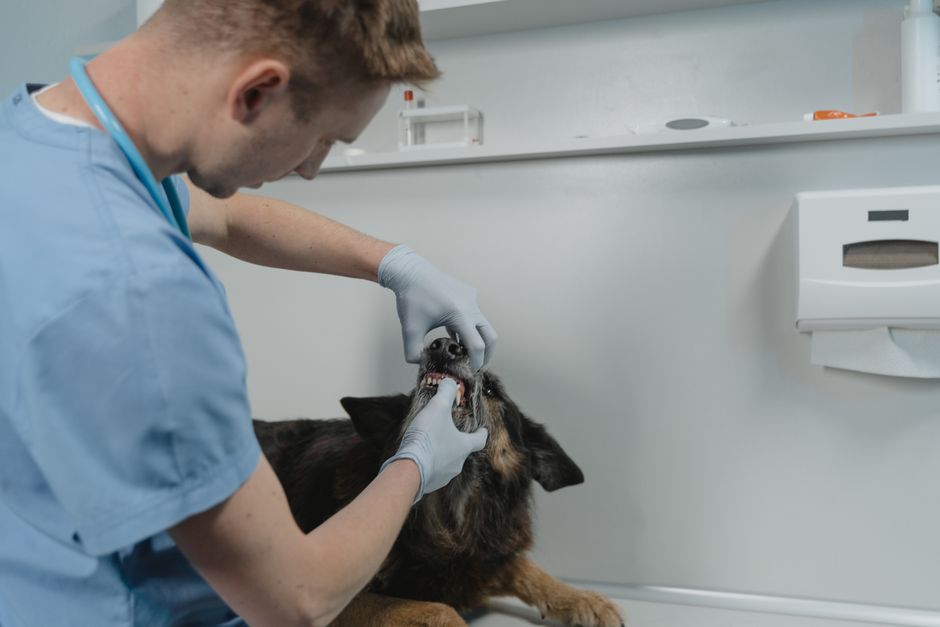
When a dental problem is suspected or confirmed, your pet will benefit from a thorough veterinary dental examination and cleaning. At Purrfect Paws & Claws Veterinary Hospital, our veterinarians will begin with a comprehensive oral exam, looking for signs of disease above and below the gumline. In many cases, dental radiography is recommended to evaluate tooth roots and bone health that cannot be seen with the naked eye. This allows us to detect hidden problems such as abscesses, fractured teeth, or resorptive lesions.
A professional pet dental cleaning involves scaling away plaque and tartar, polishing teeth to smooth their surfaces, and treating any infected or inflamed areas. If a tooth is damaged beyond repair or causing pain, pet tooth extraction services may be necessary to restore comfort and prevent infection from spreading. Our veterinary team is skilled in providing gentle, safe dental procedures and will discuss all treatment options with you in advance. In some cases, more advanced pet oral surgery services may be needed for severe oral health conditions.
Pets undergoing dental procedures are carefully monitored under anesthesia to ensure their safety and comfort. After the cleaning or treatment, our veterinarians will provide at-home care instructions to support healing and future oral health. Addressing dental problems early leads to faster recovery, less pain, and a better quality of life for your dog or cat.
Preventing Dental Disease at Home
While professional dental cleanings are essential, there are many steps you can take at home to help prevent dental issues in your pet. Brushing your pet’s teeth regularly with a pet-safe toothpaste is one of the most effective ways to remove plaque before it hardens into tartar. Even if your dog or cat is not accustomed to tooth brushing, starting slowly with gentle handling and positive reinforcement can help them adjust.
In addition to brushing, offering dental treats, chews, or specialized diets can support oral health by reducing plaque buildup. Always choose products that are approved by your veterinarian or carry the Veterinary Oral Health Council (VOHC) seal. Regularly checking your pet’s mouth for signs of redness, swelling, or broken teeth can help you catch problems early.
Scheduling routine dental checkups with your veterinary team is just as important as daily home care. Preventive services such as dental prophylaxis can help maintain your pet’s oral health and catch issues at their earliest stages. By combining professional care with good home habits, you give your pet the best chance at a lifetime of healthy smiles.
When Should You Seek Veterinary Dental Care?
Knowing when to call your veterinarian about a possible dental problem can be the difference between a minor fix and a serious health issue. You should schedule an appointment if your pet has persistent bad breath, red or swollen gums, visible tartar, loose or missing teeth, or is reluctant to eat or chew. Unexplained drooling, bleeding from the mouth, or changes in behavior such as hiding or irritability are also signals that something may be wrong.
If you notice any swelling around your pet’s face or jaw, sudden difficulty eating, or signs of severe pain, seek veterinary attention right away. Dental infections can spread to other parts of the body, including the heart, liver, and kidneys, making timely intervention critical for your pet’s overall health. Our veterinarians in Leesburg are here to provide thorough examinations, discuss treatment options, and answer any questions you may have about your pet’s oral health.
Supporting Your Pet’s Dental Health in Leesburg and Beyond
Caring for your dog or cat’s teeth is about more than fresh breath; it’s about supporting their comfort, longevity, and happiness. At Purrfect Paws & Claws Veterinary Hospital, our veterinary team is committed to helping pets in Leesburg and surrounding communities enjoy healthy, pain-free lives. If you have questions about your pet’s dental health or want to schedule a dental checkup, we encourage you to reach out to us. When searching for a caring and experienced veterinarian near me, remember that our team is here to provide compassionate, comprehensive dental care for your pets.
To schedule your pet’s dental examination or learn more about our full range of dental services, call us at (305) 905-9585, visit our website at www.ppcvh.com, or stop by our clinic at 33025 Professional Drive, Leesburg, FL 34788. Your pet’s smile is worth protecting, and we’re here to help every step of the way.
This blog is intended for informational purposes only and does not replace professional veterinary advice. If you have concerns about your pet’s health, always consult your veterinarian for guidance tailored to your individual pet’s needs.