Recognizing Signs of Dental Pain in Dogs and Cats


Recognizing Signs of Dental Pain in Dogs and Cats
If your dog or cat has ever pawed at their mouth, suddenly lost interest in their food, or seemed crankier than usual, you might have wondered if something more serious was happening behind those whiskers. Dental pain in pets often goes unnoticed until it starts to interfere with daily life, and as a loving pet parent, it can be heartbreaking to see your furry friend uncomfortable. At Purrfect Paws & Claws Veterinary Hospital, opening soon in Leesburg, FL, our goal is to help you recognize the subtle—and sometimes not-so-subtle—signs that your pet might be experiencing dental pain. This guide will walk you through common pet dental pain symptoms, the underlying causes, professional treatment options, and helpful steps you can take at home.
Throughout this blog, you’ll learn how to spot signs of dental problems in pets, why timely intervention matters, and when to schedule an appointment with our veterinary team. We’ll also explore how dental care in Leesburg can make a world of difference for your pet’s comfort and overall health. If you’re searching for a “vet near me” who prioritizes gentle, comprehensive oral care, our veterinarians at Purrfect Paws & Claws Veterinary Hospital are here to help. For more information about professional dental cleanings for pets, visit our page on pet dental cleanings.
Spotting Pet Dental Pain Symptoms: What Pet Owners Need to Know
Recognizing dental pain in dogs and cats isn’t always straightforward, as our pets can be masters at hiding discomfort. However, there are some key pet dental pain symptoms you can watch for that may indicate a problem brewing beneath the surface.
Common Symptoms of Dental Pain in Dogs and Cats
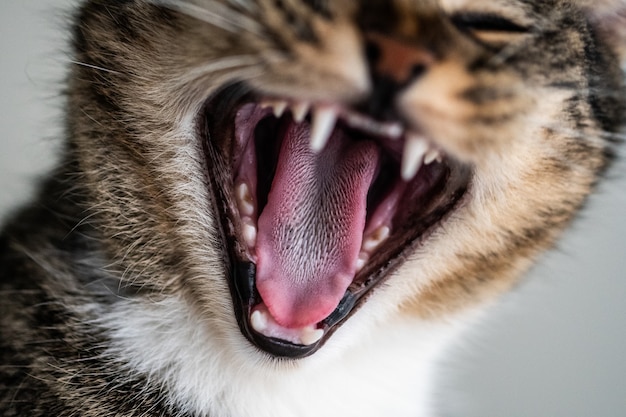
Warning signs to watch for are bad breath that lingers even after brushing, sudden changes in eating habits such as dropping food, chewing on one side, or hesitating before eating, and visible tartar or red, swollen gums. Many pets with dental pain will paw at their mouths or rub their faces against furniture. Other symptoms include excessive drooling, reluctance to play with toys, vocalizing when eating, or bleeding from the mouth. In some cases, you may notice tooth discoloration, broken teeth, or pus along the gumline.
Behavioral changes can also signal oral discomfort. Pets in pain may become irritable, withdrawn, or less interested in socializing. Cats often hide more, while dogs may seem restless or even snap when their faces are touched. If your pet’s breath smells unusually foul, or if you see any swelling around the jaw or face, it’s important to consider dental pain as a possible cause.
These signs may come and go, but if you notice any combination of them—especially if they persist—it’s time to consult a veterinarian near you. Early recognition can lead to more effective treatment and less invasive procedures, protecting your pet’s health and happiness.
Understanding the Causes of Dental Pain in Pets
Dental pain in pets is often the result of underlying oral health issues that develop slowly over time. The most common cause is periodontal disease, which is a progressive infection of the gums and supporting structures of the teeth due to plaque and tartar buildup. This condition is especially prevalent in older pets, but even young cats and dogs in Leesburg and surrounding communities can be affected if regular dental care is neglected.
Other causes of dental pain include fractured or broken teeth, which may result from chewing on hard objects, trauma, or underlying dental disease. Abscesses or infections at the tooth root, resorptive lesions (especially common in cats), and oral tumors are additional contributors to oral discomfort. Sometimes, retained baby teeth or misaligned bites can lead to chronic pain if left untreated.
Certain breeds are more prone to dental problems because of their anatomy—for example, small dog breeds and flat-faced cats often have crowded teeth that trap food and bacteria. The warm, humid climate in Florida can also contribute to faster plaque accumulation, making regular dental checkups even more important for pets living in the region.
If you’re unsure about the specific cause of your pet’s symptoms, the veterinary professionals at Purrfect Paws & Claws Veterinary Hospital can use advanced diagnostics, such as dental radiography, to get a clear view of what’s happening beneath the gumline.
Treatment Options for Dental Pain: What to Expect from Your Veterinarian
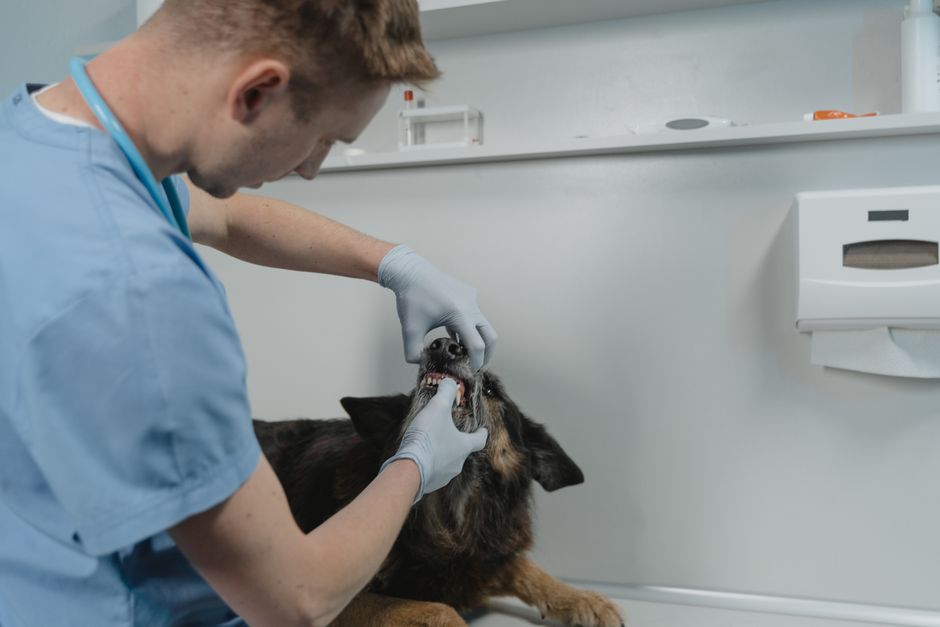
When you bring your pet to Purrfect Paws & Claws Veterinary Hospital for dental care in Leesburg, our veterinarians will start with a thorough oral examination and may recommend further diagnostics to assess the extent of dental disease. Treatment options depend on the severity of the issue but typically involve a combination of professional cleaning, dental extractions, and sometimes oral surgery.
Professional Dental Cleanings and Dental Radiography
Professional dental cleanings under anesthesia allow our veterinary team to remove plaque and tartar buildup above and below the gumline, reducing inflammation and infection. Dental radiography is an important tool that helps us detect hidden problems, such as abscesses, root fractures, or bone loss, which cannot be seen with the naked eye. If your pet needs more advanced care, such as tooth extractions, our veterinarians are skilled in providing pet tooth extraction services that minimize discomfort and promote healing.
Oral Surgery and Advanced Care
In some cases, oral surgery may be necessary to remove deeply damaged teeth, treat tumors, or address severe infections. Our veterinary professionals are equipped to perform these procedures safely and efficiently, ensuring your pet recovers quickly and comfortably. We emphasize pain management at every stage, providing appropriate medications and monitoring throughout the recovery process.
If your pet’s dental issue is identified early, less invasive treatments such as dental prophylaxis and preventative care may be sufficient to restore oral health and comfort. Our approach is always tailored to your pet’s individual needs, with a focus on long-term wellness.
Preventing Dental Problems at Home: Steps Pet Owners Can Take
While professional veterinary care is essential for treating existing dental problems, there are several steps you can take at home to help prevent dental pain in pets and maintain oral health between visits.
Routine tooth brushing with pet-safe toothpaste is one of the most effective ways to reduce plaque buildup. Introduce brushing gradually, using gentle motions and plenty of positive reinforcement. Dental chews and toys designed for oral health can also help, but always supervise your pet to prevent accidental swallowing or tooth fractures. Feeding a balanced diet recommended by your veterinarian supports overall oral health as well.
Regularly inspect your pet’s mouth for early signs of trouble, such as redness, swelling, or broken teeth. If you notice any changes in your pet’s breath, eating habits, or behavior, don’t hesitate to reach out for guidance. Preventive dental care in Leesburg, including scheduled cleanings and exams, is key to avoiding more serious issues down the line.
Finally, maintain a consistent routine for pet dental care by scheduling annual or semi-annual visits with a “dental vet near me.” This allows our veterinarians to monitor oral health, provide timely interventions, and give you personalized advice on at-home care.
When to Seek Veterinary Care for Dental Pain
Knowing when to call your veterinarian is crucial if you suspect dental pain in your pet. Immediate veterinary attention is needed if you observe signs such as persistent bleeding from the mouth, severe swelling, difficulty eating or drinking, or sudden changes in behavior. Additionally, if your pet refuses food for more than a day, develops a high fever, or shows signs of significant discomfort, contact a veterinarian near you as soon as possible.
For less urgent but still concerning symptoms—such as persistent bad breath, mild swelling, or reluctance to chew—schedule an appointment for a comprehensive oral examination. The earlier dental problems are addressed, the better the outcome for your pet’s comfort and long-term health.
At Purrfect Paws & Claws Veterinary Hospital, our team of veterinarians is committed to providing compassionate, comprehensive dental care in Leesburg. We encourage you to reach out with any concerns, no matter how minor they may seem, as even subtle symptoms can be early warning signs of underlying issues.
Your Partner in Pet Dental Health: Schedule an Appointment Today
Dental pain doesn’t have to be an inevitable part of your pet’s life. By staying alert to pet dental pain symptoms and taking prompt action, you can help your dog or cat enjoy a happier, healthier life. If you’re searching for a “quality vet near me” who offers dental care in Leesburg, Purrfect Paws & Claws Veterinary Hospital is here to support you every step of the way.
We invite you to schedule an appointment with our veterinary team for a thorough oral health assessment or professional cleaning. Our veterinarians are dedicated to gentle, individualized care and will work with you to create a dental wellness plan that fits your pet’s needs. For additional details about our preventative dental services, visit our page on dental prophylaxis and preventative care.
If you have questions or would like to book a consultation, please call us at (305) 905-9585 or visit us at 33025 Professional Drive, Leesburg, FL 34788. Our veterinary professionals are proud to serve Leesburg and surrounding communities, providing caring dental vet services near you.
This article is intended for educational purposes only and is not a substitute for professional veterinary advice. Always consult your veterinarian for specific questions about your pet’s health.