Is Your Cat or Dog Drinking More Water Than Usual? What It Means


Is Your Cat or Dog Drinking More Water Than Usual? What It Means
When you notice your cat or dog heading to their water bowl far more often than usual, it can be both confusing and concerning. At Purrfect Paws & Claws Veterinary Hospital, opening soon at 33025 Professional Drive, Leesburg, FL 34788, we often hear from pet owners in Leesburg and surrounding communities who are worried about increased thirst in pets. Is your pet drinking more water simply because of Florida’s warm climate, or could this be a sign of something more serious?
This blog will help you understand why your cat or dog might be drinking more water than usual, what increased thirst in pets can signal about their health, and when it’s time to schedule a visit with your local veterinary team. We’ll walk you through the common causes of excessive drinking, guide you on what symptoms to watch for, and explain how a comprehensive pet exam in Leesburg can help pinpoint the underlying cause. By the end, you’ll know how to support your pet’s wellbeing and when to reach out to a “vet near me” for help. If you’re worried about your pet’s drinking habits, our team is here to provide complete veterinary services in Leesburg, from wellness exams to urgent care.
Recognizing the Signs: Is Your Pet Drinking More Water Than Normal?
It’s easy to overlook gradual changes in your pet’s daily habits, especially when it comes to how much water they drink. However, increased thirst in pets is often one of the first clues that something may be wrong. Pet owners might notice their dog emptying the water bowl more quickly, waking up in the night for extra drinks, or even having more frequent accidents in the house due to increased urination. For cats, the signs can be subtler, such as lingering at the water dish, drinking from unusual places like faucets, or producing more clumps in the litter box.
Key symptoms include consistently empty water bowls, changes in urination patterns, restlessness, and, in some cases, visible weight loss or changes in appetite. Sometimes the change is sudden, but more often it develops over several days or weeks. If your pet seems unusually interested in water or you’re refilling their bowl far more often, it’s important to pay attention. Pets in Leesburg may also drink more during hot weather, but persistent or dramatic increases should always be evaluated.
If you’re unsure whether your pet’s thirst is excessive, a good rule of thumb is that dogs generally drink about an ounce of water per pound of body weight each day, while cats often drink less. If your pet is regularly consuming far more than this, consider reaching out for a wellness examination to discuss your observations and get expert advice.
Understanding Why: Common Causes of Increased Thirst in Pets
While a little extra water on a hot Florida afternoon is normal, consistent and significant increases in thirst can be a sign of underlying health problems. Some of the most common reasons for a pet drinking more water include chronic conditions such as kidney disease, diabetes mellitus, and hormonal disorders like Cushing’s disease. Infections, liver problems, and certain medications can also lead to increased thirst in pets.
For dogs, kidney disease is a frequent culprit, especially in older pets. The kidneys lose their ability to concentrate urine, so water intake rises to compensate. Diabetes is another common cause; high blood sugar pulls water out of the body, making your pet thirsty. Cushing’s disease, which involves overproduction of cortisol, also leads to excessive drinking and urination. For cats, kidney disease and diabetes are leading causes, but hyperthyroidism is another condition that can trigger increased thirst and urination.
Other possible causes include urinary tract infections, which can make urination more frequent and uncomfortable, prompting your pet to drink more. Certain medications, such as steroids or diuretics, can also make your pet thirstier than usual. Environmental factors, like a sudden increase in activity or high temperatures in Leesburg, might play a role, but should not cause persistent changes.
It’s important to remember that increased thirst is not a diagnosis; it is a symptom. While some conditions that lead to increased water consumption can be managed effectively, others may require immediate attention. Our veterinary professionals in Leesburg can use diagnostic laboratory services to identify the root cause and help you understand what’s happening with your pet.
How Does the Leesburg Climate Affect Your Pet’s Thirst?
Florida’s warm, humid climate can naturally lead to higher water intake, especially during the summer months. Pets may drink more after outdoor play or walks, and indoor cats might need extra hydration if your home is warm. However, if your pet’s thirst persists regardless of temperature or activity, or if it is accompanied by other symptoms, it’s important to seek veterinary advice. True medical causes won’t resolve even when the weather cools down.
Professional Diagnosis and Treatment: What to Expect at the Vet
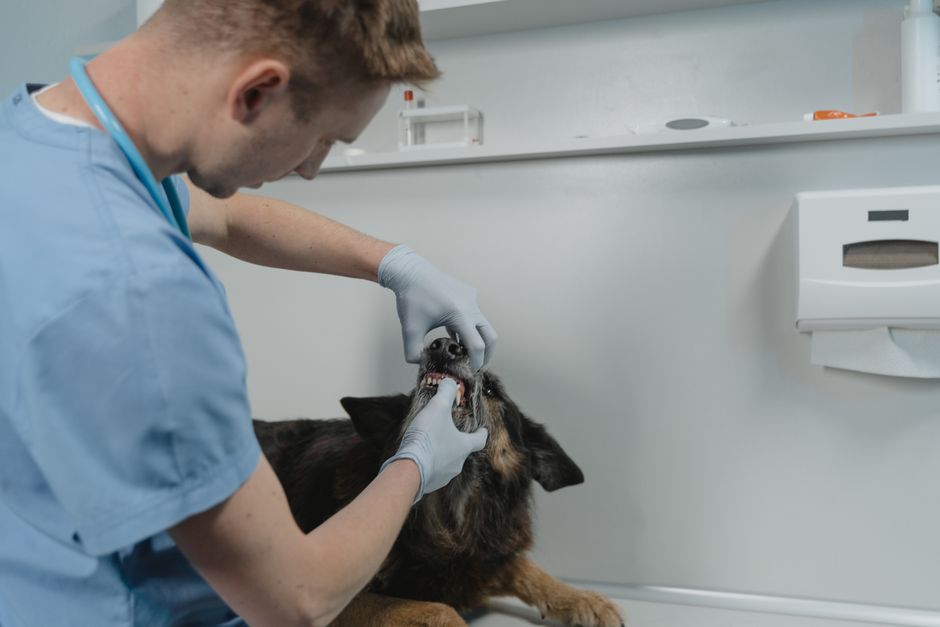
When you bring your pet to Purrfect Paws & Claws Veterinary Hospital for concerns about increased thirst, our veterinarians will begin with a thorough health history and physical examination. We’ll ask about changes in water intake, appetite, urination habits, and any other symptoms you’ve noticed. This conversation helps us tailor a diagnostic approach that makes the most sense for your pet’s needs.
Diagnostic testing is often the next step. This may involve bloodwork to check for kidney function, blood sugar levels, and hormonal imbalances. A urinalysis can reveal whether your pet is producing dilute urine, which is common in conditions like diabetes and kidney disease. Additional diagnostics, such as imaging or specialized hormone testing, might be recommended if initial tests point toward a specific disease.
Treatment options depend entirely on the underlying cause. If diabetes mellitus is diagnosed, your pet may need insulin therapy and dietary adjustments. For kidney disease, treatment can involve special diets, medications to support kidney function, and careful hydration management. Urinary tract infections are typically treated with antibiotics, while hormonal disorders like Cushing’s disease or hyperthyroidism require medication to regulate hormone levels.
Throughout the process, our veterinary professionals will discuss each step with you in clear, compassionate language, ensuring you understand your pet’s diagnosis and care plan. We value the ongoing relationships we build with Leesburg pet owners and are committed to providing comprehensive veterinary services in Leesburg that support your pet’s long-term health.
If you’re concerned about your pet’s drinking habits, don’t hesitate to schedule a comprehensive pet exam with our team. Early diagnosis can make a significant difference in treatment outcomes and your pet’s quality of life.
Supporting Your Pet at Home: Prevention and Monitoring
While certain causes of increased thirst in pets cannot be prevented, there are steps you can take as a pet owner to support your cat or dog’s health. Providing fresh, clean water at all times is essential, especially in the warm Leesburg climate. Monitor your pet’s water intake and urination, noting any sudden changes or ongoing patterns. If you see that you’re cleaning the litter box more frequently or filling the water dish much more often, jot down the dates and amounts so you can share this information with your veterinarian.
Maintaining a healthy weight, offering a balanced diet, and keeping up with regular wellness examinations are all important ways to catch health issues early. Promptly addressing any new symptoms or changes in behavior, such as lethargy, vomiting, or loss of appetite, can help ensure that potential problems are caught and treated quickly.
It’s also important to watch for risk factors specific to the Leesburg area, such as heat-related dehydration during the summer. Make sure your pet has access to shade and water during outdoor activities, and avoid strenuous exercise in the hottest part of the day. While these steps may not prevent chronic diseases, they can help keep your pet comfortable and reduce the risk of acute dehydration.
If you’re ever unsure about whether your pet’s drinking habits are normal, our veterinary professionals are always happy to answer your questions. Scheduling regular checkups with a quality vet near you is one of the best ways to ensure your pet’s ongoing health and happiness.
When to Contact a Veterinarian: Signs That Need Immediate Attention
While some pets may have temporary increases in thirst due to exercise, weather, or minor illness, certain signs indicate a need for prompt veterinary evaluation. Warning signs to watch for are drinking and urinating much more than usual for several days, sudden weight loss, vomiting, diarrhea, weakness, disorientation, or refusal to eat. If your pet appears lethargic, is having accidents indoors, or shows any other sudden changes, it’s time to consult your veterinarian.
For older pets, or those with existing health conditions, even subtle increases in thirst can be significant. Cats are especially skilled at hiding illness, so any change in drinking or urination patterns should be taken seriously. Early intervention can lead to better outcomes and may prevent more severe complications from developing.
If you notice these symptoms in your pet, contact Purrfect Paws & Claws Veterinary Hospital to schedule an appointment for a wellness examination as soon as possible. Our team is equipped to handle urgent concerns and can provide urgent veterinary care services when your pet needs immediate attention. Relying on a trusted veterinary team in Leesburg ensures your pet receives timely and compassionate care.
Take Action for Your Pet’s Health: Schedule a Wellness Exam in Leesburg
Increased thirst in pets is a symptom worth paying attention to, especially when it’s persistent or accompanied by other changes in behavior or health. Understanding the possible causes, monitoring your pet’s habits, and seeking professional advice when necessary can make all the difference in keeping your cat or dog happy and healthy.
At Purrfect Paws & Claws Veterinary Hospital, our veterinarians are dedicated to providing thorough pet diagnostic laboratory services in Leesburg, as well as ongoing preventive care. If you’ve noticed your pet drinking more water, or if you simply want peace of mind, we encourage you to schedule a comprehensive pet exam with our veterinary team. We believe in building long-lasting relationships with pet owners and helping you navigate every stage of your pet’s life.
Our new facility at 33025 Professional Drive, Leesburg, FL 34788 will soon be welcoming new patients from Leesburg and surrounding communities. If you are searching for a “vet near me” or want to learn more about our veterinary services in Leesburg, please call us at (305) 905-9585 or visit our website at www.ppcvh.com. We look forward to partnering with you to ensure your pet receives the very best care—because every pet deserves a happy, healthy life.
This article is for informational purposes only and does not replace professional veterinary care. If you have concerns about your pet’s drinking habits or health, please consult your veterinarian for a personalized assessment.