How to Tell If Your Dog Needs Professional Help for Skin Allergy Flare-Ups


How to Tell If Your Dog Needs Professional Help for Skin Allergy Flare-Ups
If you have a dog who is constantly scratching, licking, or breaking out in rashes, you are not alone. Skin allergies are one of the most common reasons pet owners in Leesburg and surrounding communities reach out for veterinary help. But with so many over-the-counter remedies and home care tips circulating online, it can be tough to know: how can I tell whether I need professional help with preventing skin allergy flare-ups in a dog? At Purrfect Paws & Claws Veterinary Hospital, our goal is to help you recognize the signs that truly require a veterinarian's expertise, understand what causes these frustrating skin issues, and learn how early, professional intervention can keep your dog comfortable all year long.
In this blog, we will walk you through the warning signs that your dog's allergies are more than just a minor nuisance, explain the most common triggers for skin reactions, discuss the range of treatment options available at our brand-new veterinary hospital in Leesburg, and share practical prevention strategies you can use at home. We will also outline when it's time to schedule an appointment with our veterinary team so your dog can get the care they need. If you are wondering whether your dog's symptoms warrant a professional veterinary examination or if specialized allergy testing is the next step, this guide is for you.
Recognizing When Your Dog’s Skin Allergy Needs Veterinary Attention
Every dog will scratch or lick occasionally; however, persistent or severe skin issues are rarely just “normal dog behavior.” The question of how can I tell whether I need professional help with preventing skin allergy flare-ups in a dog comes down to recognizing which signs indicate a bigger underlying problem. Key symptoms that suggest your dog’s skin condition may require veterinary attention include constant scratching or licking that disrupts daily life, red or inflamed skin, frequent ear infections, visible rashes or hives, open sores, scabs, or hot spots, and hair loss or bald patches. Additionally, if your dog seems restless, uncomfortable, or starts avoiding activities they usually enjoy, these can be strong indicators that their allergies are affecting their quality of life.
Some dogs may also develop secondary infections—these can present as foul odors, oozing skin, or crusty patches that do not heal with basic care. If your dog has already tried over-the-counter allergy remedies or you have switched foods and cleaned up their environment but the symptoms persist, it is time to involve a veterinary professional. Chronic or worsening skin issues rarely resolve on their own and can lead to more severe health problems if not addressed promptly.
Why Do Dogs Develop Skin Allergies?
Understanding what triggers your dog’s skin allergy is a crucial first step toward effective prevention and management. In the warm, humid climate of Leesburg, environmental allergens such as pollens, grass, molds, and dust mites are common culprits, especially during certain seasons. Flea bites are notorious for causing “flea allergy dermatitis,” where even a single bite can set off an intense reaction. Food allergies are another possibility; proteins like beef, chicken, or dairy can sometimes trigger chronic itching and skin irritation.
Contact allergies, caused by direct exposure to shampoos, cleaning products, or specific fabrics, can also lead to rashes or hives. In some cases, your dog may have a combination of these triggers, making diagnosis more challenging. Genetics play a role as well—some breeds, including Bulldogs, Retrievers, and Terriers, are more susceptible to allergic skin disease. At Purrfect Paws & Claws Veterinary Hospital, our team uses advanced diagnostic laboratory services and allergy testing to help pinpoint the exact cause of your dog’s discomfort, allowing us to create a personalized treatment plan.
Professional Treatment Options for Dog Skin Allergies
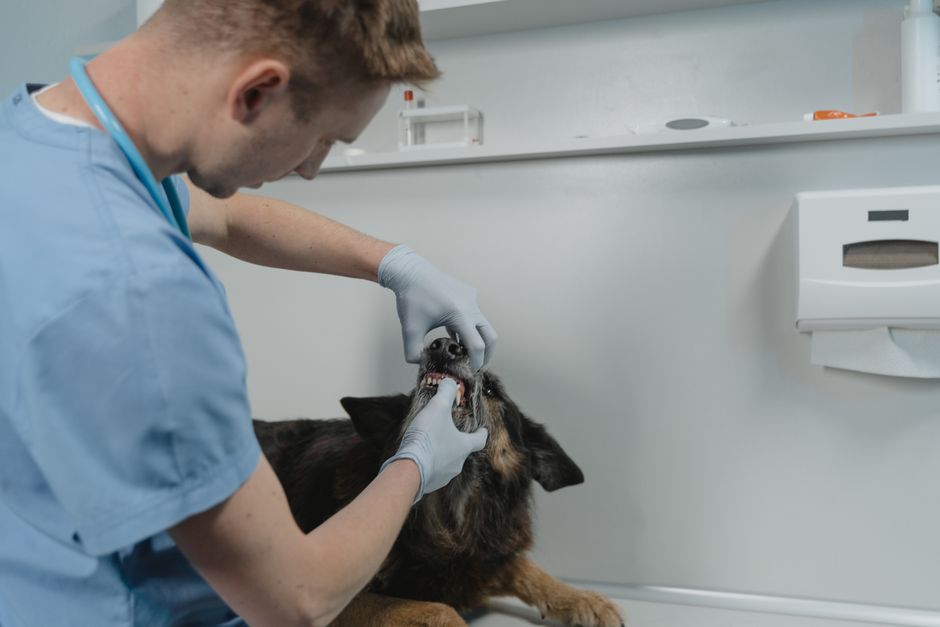
When home remedies are not enough, professional veterinary care is essential for breaking the cycle of itching and infection. Our Leesburg veterinary team offers a comprehensive approach to skin allergies, starting with a thorough examination to assess the extent of the problem. Depending on your dog’s symptoms and history, we may recommend skin scrapings, cytology, or bloodwork to identify infections or other underlying conditions. Allergy testing can help uncover specific environmental or food triggers so we can target them directly.
Treatment options for canine skin allergies often involve a combination of approaches. Medicated shampoos and topical therapies help soothe inflamed skin and reduce itching. Prescription oral or injectable medications, such as antihistamines, corticosteroids, or advanced treatments like oclacitinib or cytopoint, can be used to control allergic reactions when indicated. If a secondary bacterial or yeast infection is present, antibiotics or antifungal medications may be prescribed. For food allergies, a strict elimination diet or hypoallergenic diet plan may be required. Long-term management may involve immunotherapy, where your dog receives customized allergy “shots” or drops to help desensitize their immune system to specific triggers.
Our veterinary dermatology services are designed to address both the immediate discomfort and the long-term health of your dog’s skin. We work closely with you to monitor progress and adjust the treatment plan as needed, ensuring your dog gets lasting relief.
Home Care and Prevention: What Pet Owners Can Do
While some aspects of skin allergy management require a veterinarian’s expertise, there are valuable steps you can take at home to support your dog’s comfort and prevent flare-ups. Maintaining a regular grooming routine helps remove allergens from your dog’s coat and skin. Frequent bathing with a veterinarian-recommended hypoallergenic shampoo can soothe itching and reduce irritation; it is important, however, to avoid over-bathing, which can dry out the skin and make matters worse.
Environmental control is another key strategy. Vacuuming carpets, washing bedding, and using air purifiers can help minimize exposure to dust mites, pollen, and mold. Flea prevention should be a top priority in Florida’s climate; year-round flea control products are critical for dogs prone to flea allergies. If your dog has a known food allergy, sticking to a prescribed diet and avoiding table scraps or treats with hidden allergens is crucial.
Monitoring your dog for early signs of itching or redness allows you to catch problems before they escalate. If you notice seasonal patterns or specific triggers, sharing this information with your veterinarian can help refine the prevention strategy. Remember that while home care is important, it is not a substitute for professional diagnosis and treatment when symptoms are severe or persistent.
When Is It Time to Seek Veterinary Help?
The decision of how can I tell whether I need professional help with preventing skin allergy flare-ups in a dog often comes down to the frequency, severity, and duration of symptoms. If your dog’s scratching, licking, or skin changes do not improve within a week of basic home care, or if symptoms are getting worse, it is time to schedule a veterinary visit. Additional red flags include raw or bleeding skin, widespread hair loss, repeated ear infections, or any sign of pain. Dogs who are restless at night, chewing their paws constantly, or developing new sores should also be evaluated promptly.
Certain situations warrant more urgent attention. If your dog is suddenly covered in hives, struggling to breathe, or experiencing severe swelling of the face or muzzle, seek emergency veterinary care at once—these could be signs of a life-threatening allergic reaction. At Purrfect Paws & Claws Veterinary Hospital, our team is equipped to handle both routine and urgent skin allergy cases, ensuring your dog receives the right level of care, whether it is a persistent itch or a sudden, severe reaction.
Working with a veterinarian means your dog benefits from professional diagnostics, tailored treatment, and ongoing support for long-term skin health. Early intervention often leads to faster relief and can prevent complications like infections or chronic skin changes that are much harder to treat.
Why Choose Purrfect Paws & Claws Veterinary Hospital for Dog Skin Allergy Care?
Our veterinary team at Purrfect Paws & Claws Veterinary Hospital is dedicated to providing compassionate, expert care for dogs with skin allergies in Leesburg and surrounding communities. We understand how frustrating and concerning it can be to watch your dog suffer, and our approach focuses on both immediate relief and long-term prevention. As a full-service general practice, we offer comprehensive dermatology services, advanced diagnostics, and the latest allergy treatments, all under one roof at our convenient Leesburg location.
Whether your dog needs a thorough skin examination, specialized allergy testing, or help managing complicated cases, our veterinarians will work with you every step of the way. We believe in building ongoing relationships with pet owners so your dog can enjoy better health and comfort year-round. If you are searching for a "vet near me" who truly understands your dog’s unique needs, our doors are open and ready to welcome you.
Take the Next Step: Schedule an Appointment for Your Dog’s Skin Health
If you are asking yourself, “how can I tell whether I need professional help with preventing skin allergy flare-ups in a dog,” the safest answer is to reach out for a veterinary evaluation, especially if your dog’s symptoms are not improving or are affecting their happiness. Our experienced team at Purrfect Paws & Claws Veterinary Hospital in Leesburg is here to provide the support, diagnostics, and treatment your dog needs to feel their best.
To schedule an appointment, call us at (305) 905-9585 or visit us at 33025 Professional Drive, Leesburg, FL 34788. You can also request a visit online through our appointment scheduling page. If you have additional questions about our allergy testing or dermatology services, we are happy to help guide you through the next steps.
When it comes to your dog’s skin health, early intervention makes all the difference. Let our veterinary team partner with you to prevent flare-ups, relieve discomfort, and support your dog’s wellbeing for years to come.